Half-life
Inside Britain’s nuclear power stations, 1999–2000.
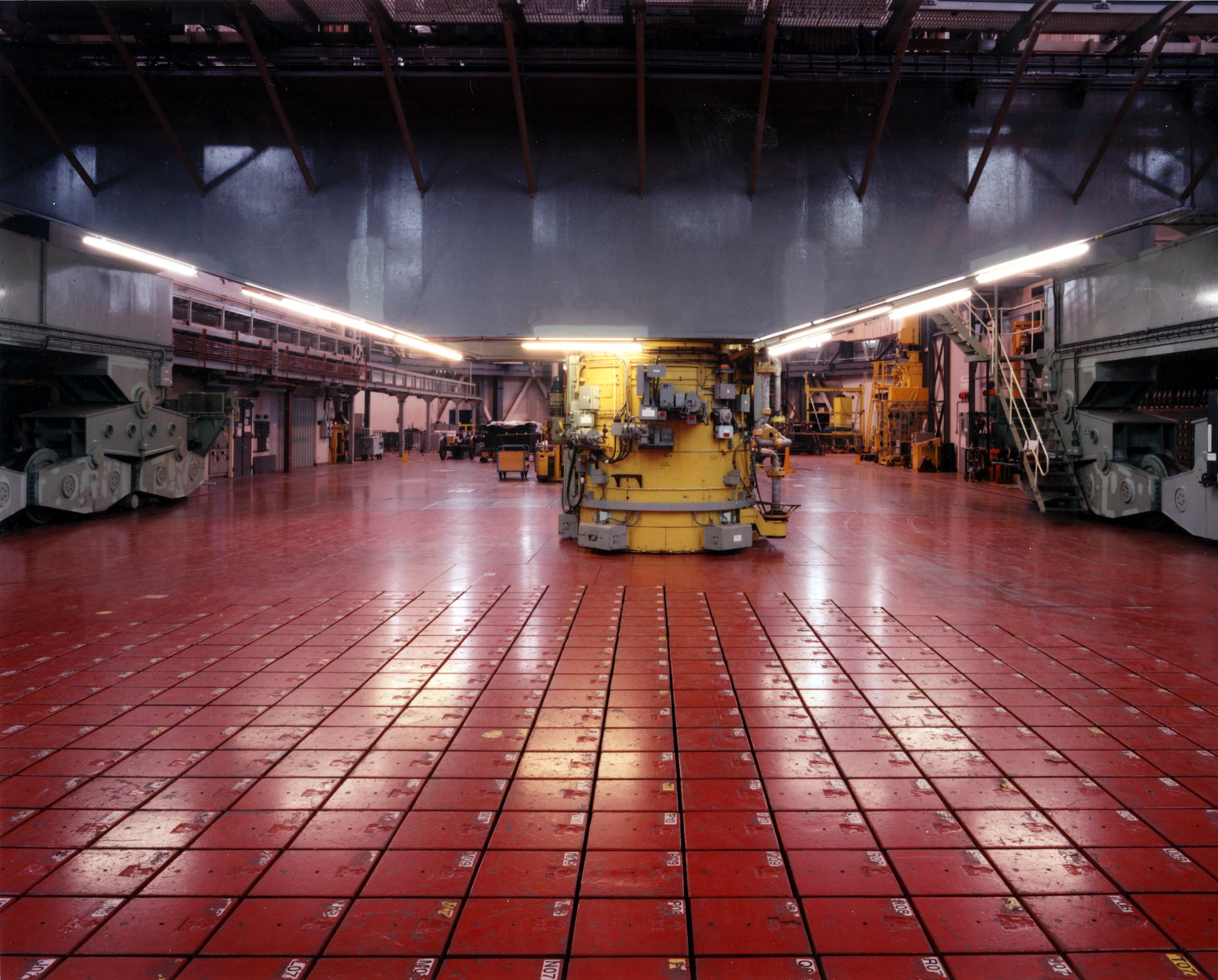
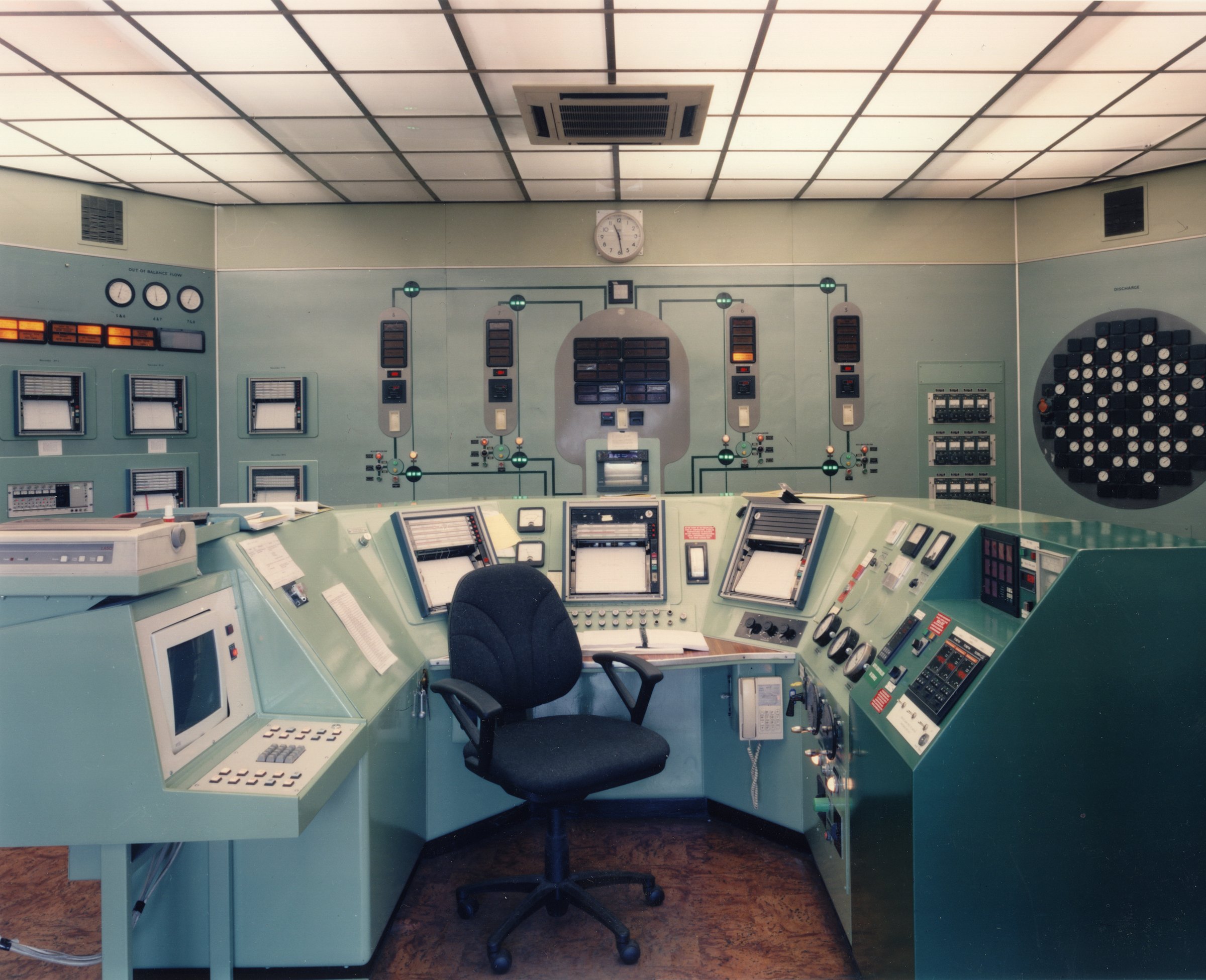
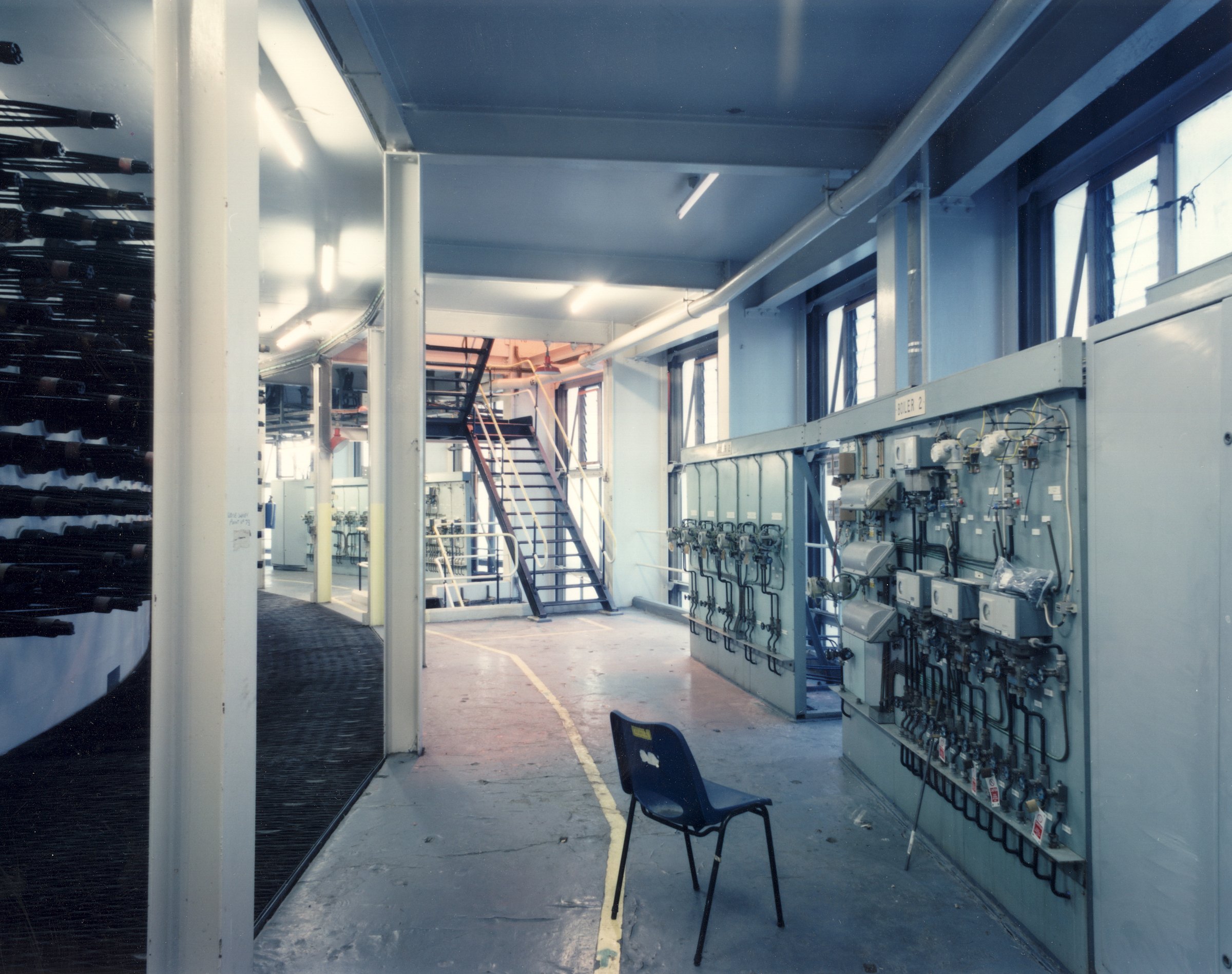
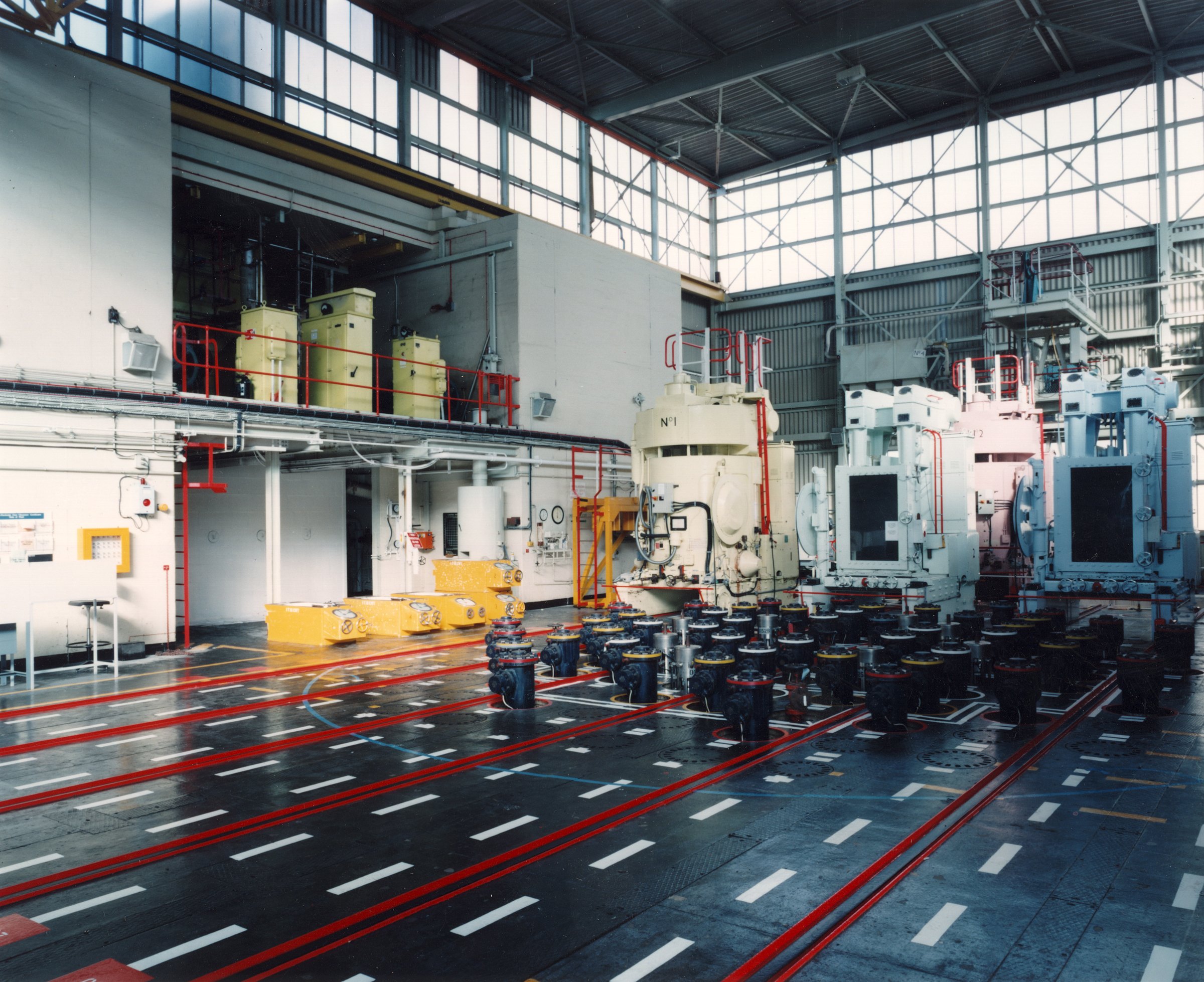
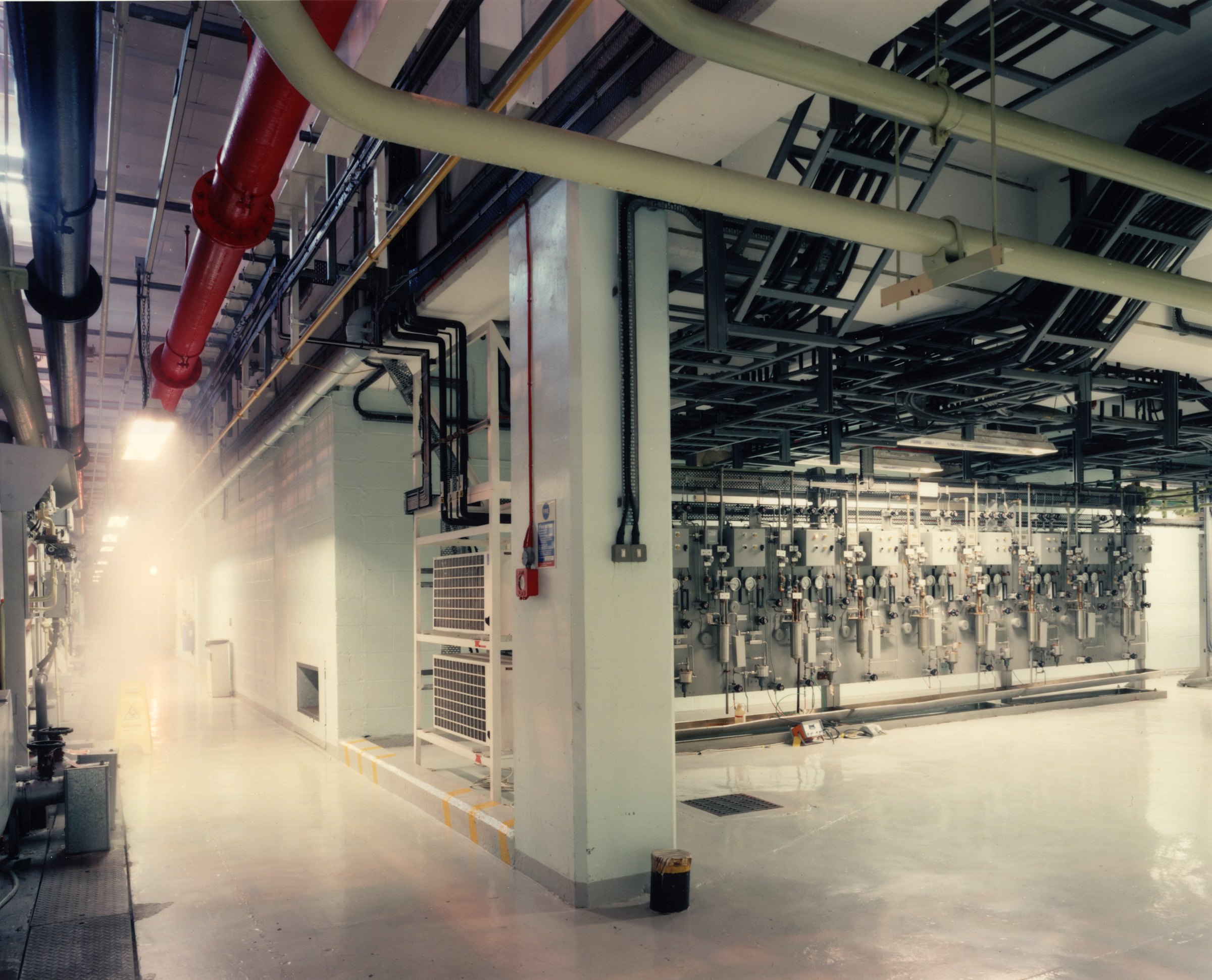
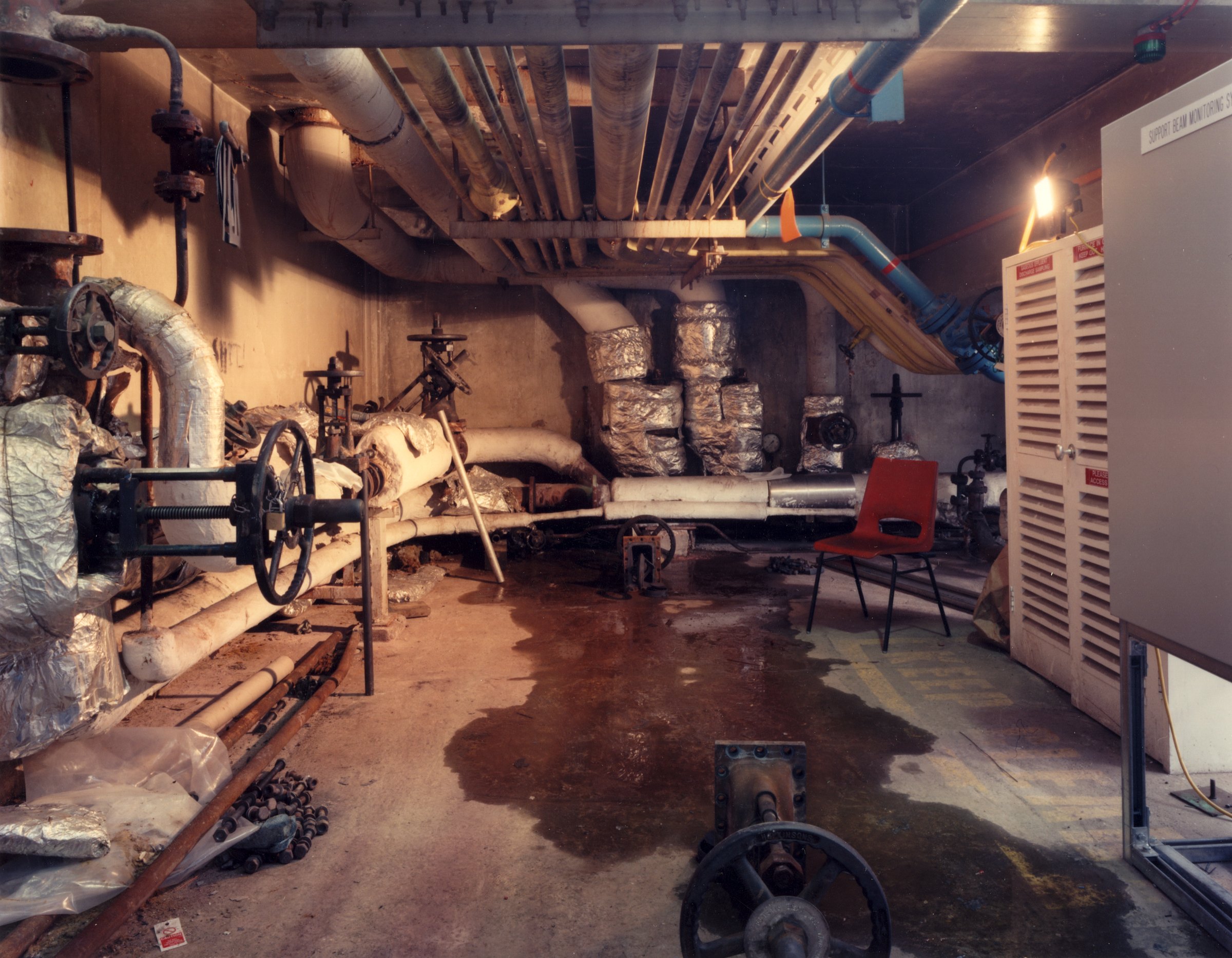
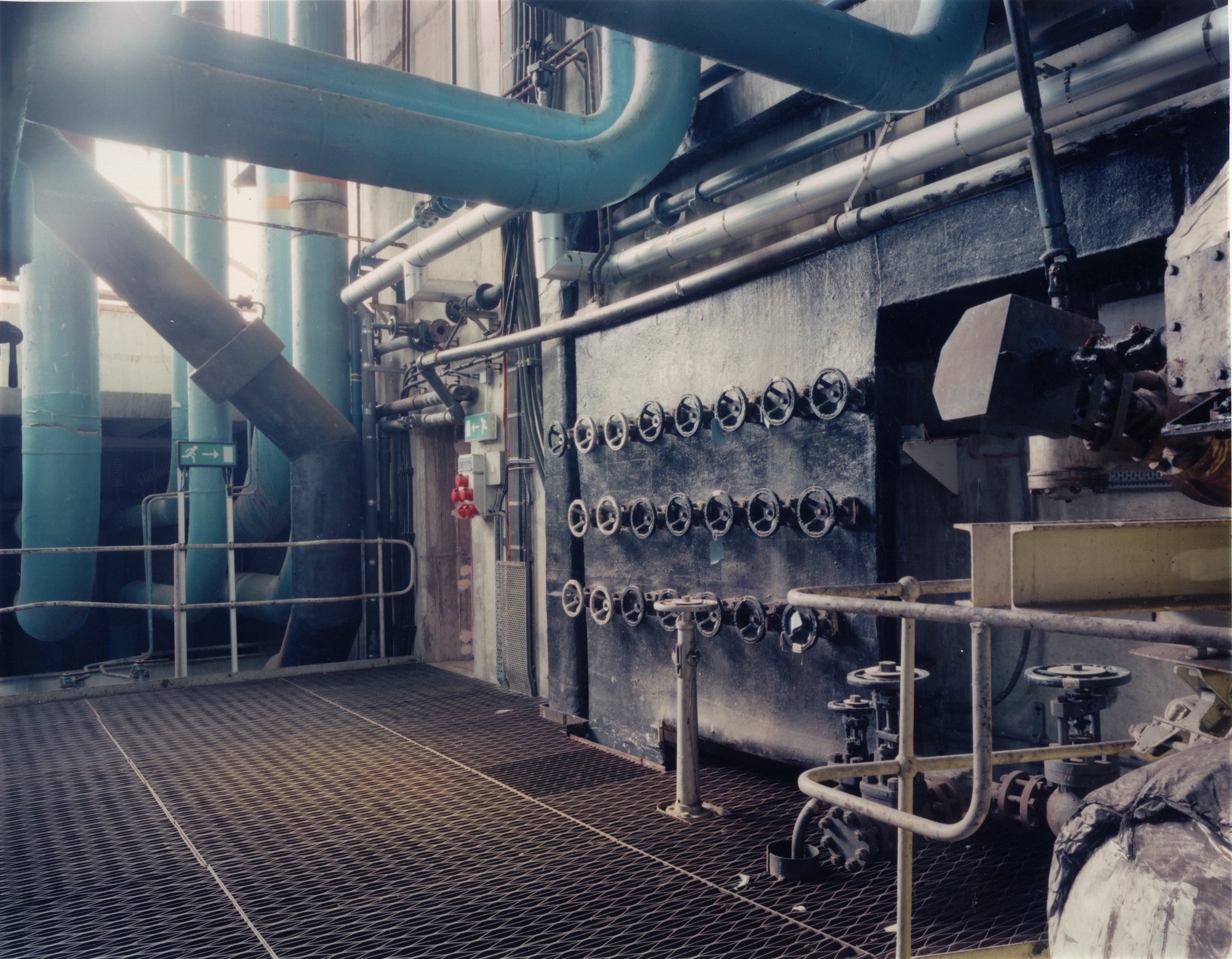
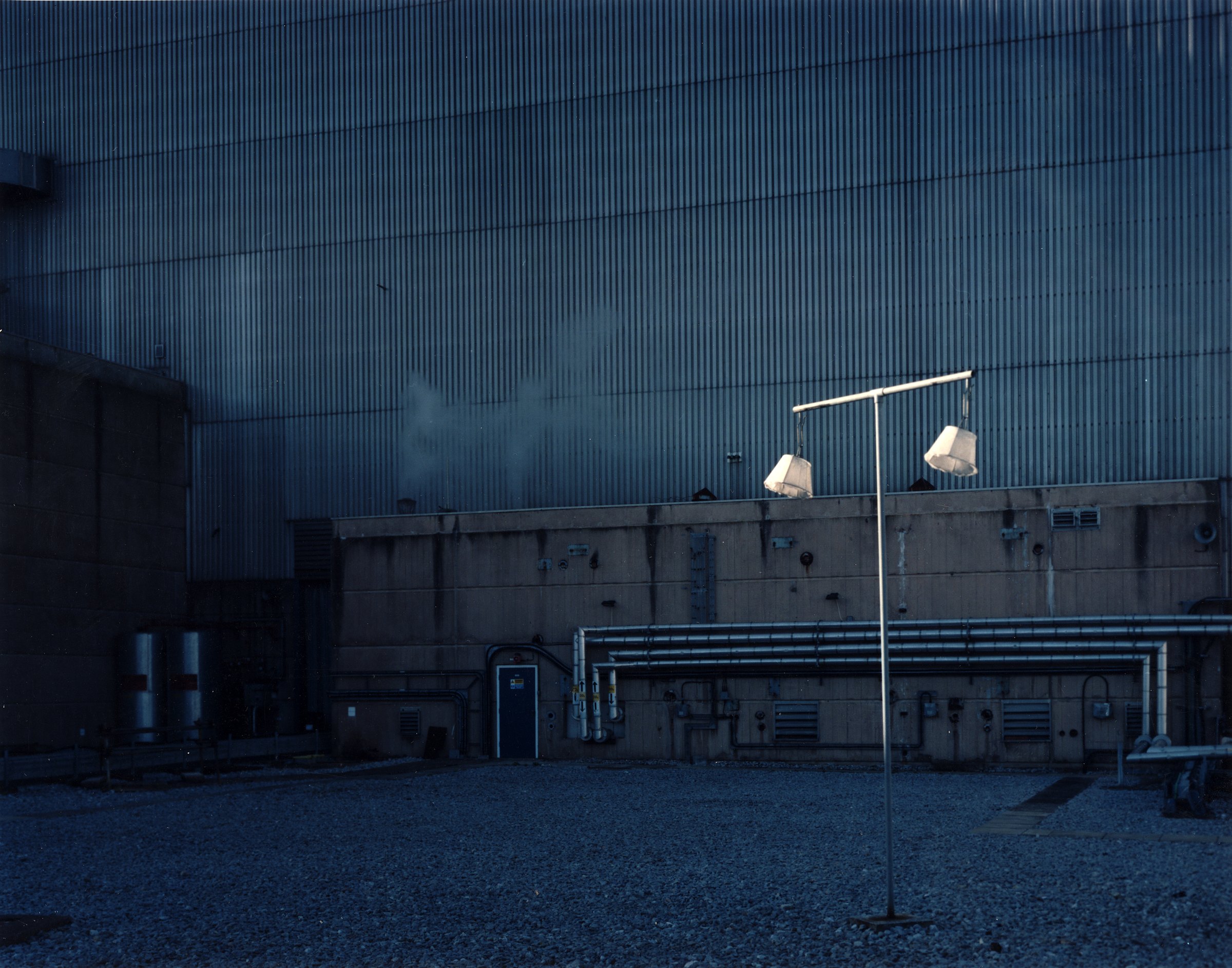
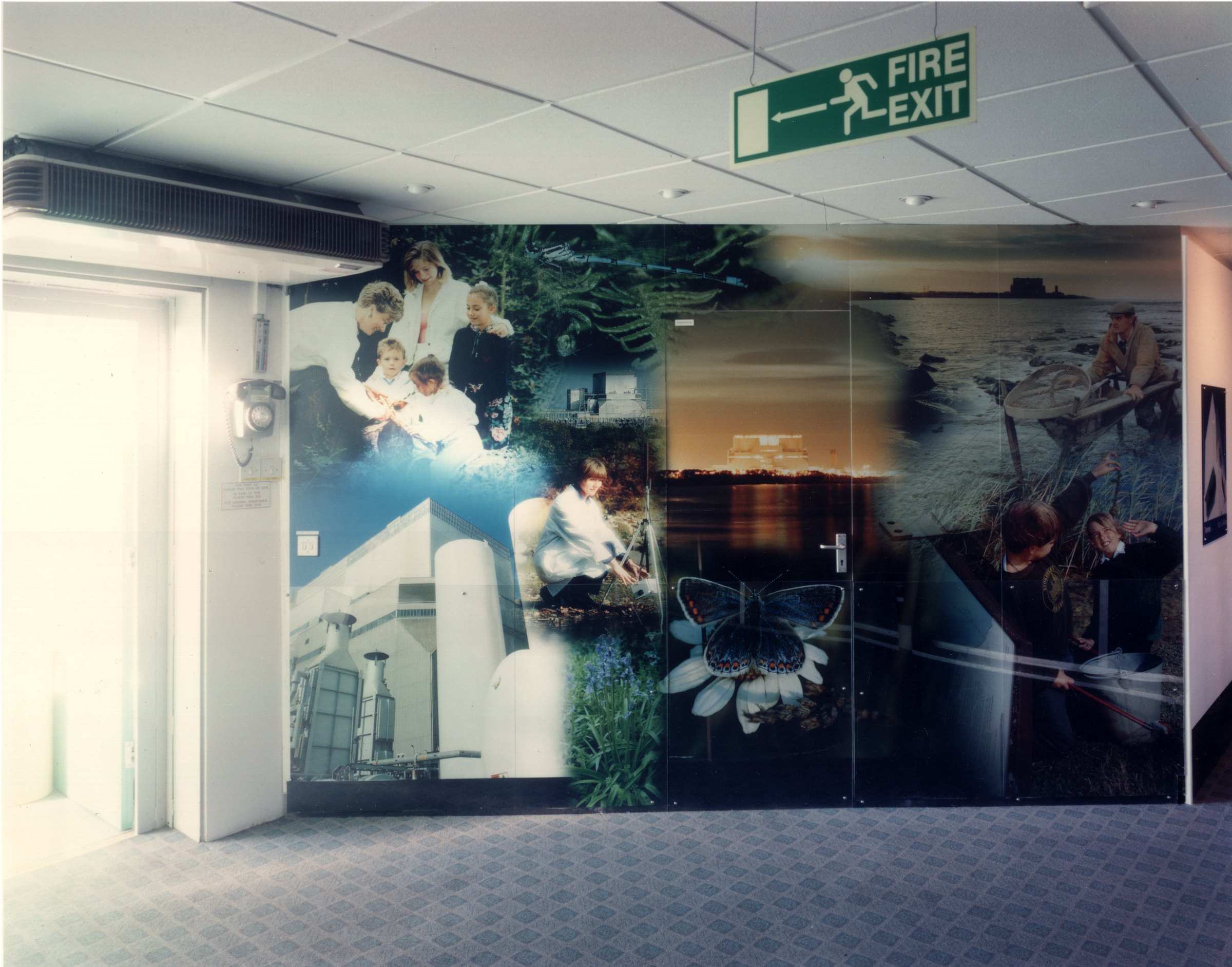
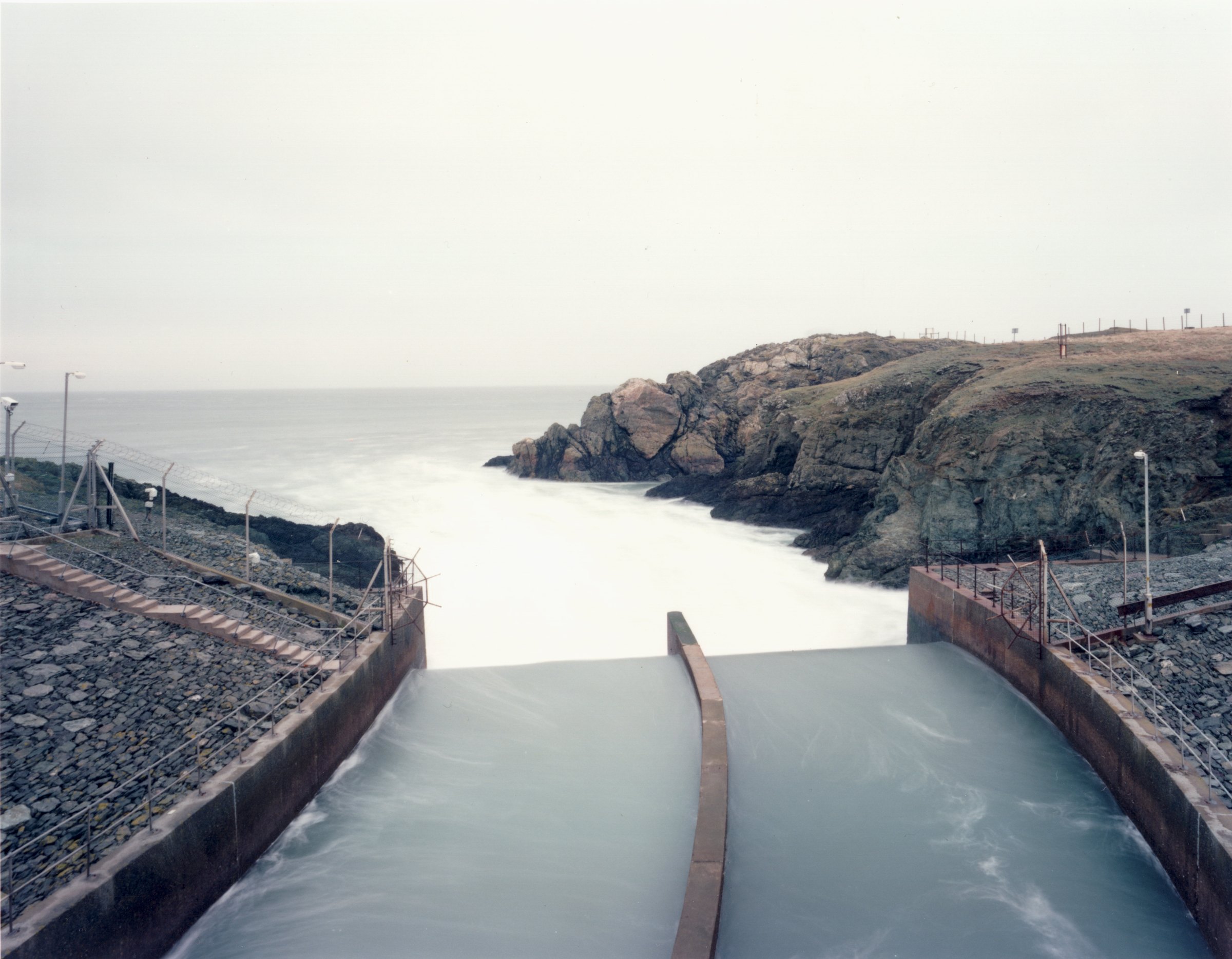
Half-life takes its title from radioactive decay: the time it takes for half of a radioactive substance to break down. Between 1999 and 2000 Rob Meighen photographed inside British nuclear power stations from Calder Hall to Sizewell B, negotiating access with each station manager individually. The stations were then split between the ageing, state-owned Magnox reactors and the advanced gas-cooled reactors of the newly privatised British Energy.
Meighen did not know at first what he would make there, only that it would be an interesting subject. He read everything he could find: the literature of the early nuclear age, trade magazines, Greenpeace material, BBC and newspaper archives. He first visited the stations as a tourist. Each had a large visitor centre, with free tours laid on and school trips arranged, presenting nuclear power as a source of clean, never-ending electricity, a promise that went back to the phrase “too cheap to meter”, from a 1954 speech by the chairman of the US Atomic Energy Commission. Meighen brought some history of his own to that promise, from ten years in the Woodcraft Folk and countless CND marches. Calder Hall, the world’s first commercial nuclear power station, was built primarily to produce plutonium for Britain’s nuclear weapons, with electricity as a by-product. Production began there in 1956; it was not until 1995 that the government announced that Britain had stopped producing fissile material for weapons. Meighen came to regard the promise as a lie.
The work was slow and deliberate. Meighen would drive 350 miles to make eight photographs on a 5×4 field camera loaded with colour negative film, aiming to create records and artefacts rather than illustrations, with a deliberate ambiguity: an ageing technology, shown in full detail. He met with unexpected trust and warmth, staying overnight in communities that depended entirely on the industry; Sellafield alone then employed more than 10,000 people. Richard Misrach’s Desert Cantos, in which landscapes often romanticised are transformed by military and industrial use, was an important reference.
What that material left out was the end of the story. Cleaning up Britain’s first generation of nuclear sites is a programme expected to last around 120 years. At Sellafield alone, the site that includes Calder Hall, decommissioning is forecast to cost £136 billion, and the last buildings are not expected to be demolished until 2125. Britain still has no permanent store for its most hazardous waste: the search for a deep geological disposal facility began in the 1980s, and in 2025 the government’s own infrastructure authority rated the programme unachievable.
Of the stations Meighen photographed, only Heysham, Torness and Sizewell B still generate electricity. Calder Hall closed in 2003; the Magnox stations were all due to stop by the end of 2015; Dungeness B and Hinkley Point B have since entered decommissioning.
The promises continue. Next to the closed Hinkley Point B, EDF is building Hinkley Point C, Britain’s first new nuclear power station in a generation. Construction began in 2017 with a price of £18 billion and a target of 2025; the estimate now stands at £35 billion in 2015 prices, with start-up pushed back to 2030. Sizewell C, which largely replicates its design, is being built on the Suffolk coast beside Sizewell B, at a forecast £38 billion, for completion in 2039. Campaigners argue that its low-lying site, on an eroding coast beside the Minsmere marshes, cannot be guaranteed safe from rising seas and storm surges over the station’s lifetime and the storage of its spent fuel; the Planning Inspectorate concluded that the benefits strongly outweighed the potential harm.
The photographs show reactor floors, turbine halls and control rooms in operation. The title points to what outlasts them.
Sources
- Calder Hall nuclear power station — Wikipedia
- Plutonium production for defence purposes, review — Ministry of Defence, 2000
- “Too Cheap to Meter”: A History of the Phrase — US Nuclear Regulatory Commission
- British Energy — Wikipedia
- Nuclear Provision: the cost of cleaning up Britain’s historic nuclear sites — GOV.UK
- Decommissioning Sellafield: managing risks from the nuclear legacy — National Audit Office, 2024
- UK plans for geological disposal of nuclear waste declared “unachievable” — Envirotec, 2025
- EDF seeking maximum use of existing UK reactors — World Nuclear News
- Hinkley Point C British nuclear power plant faces further delays and rising costs — 2026
- Sizewell C — National Audit Office, 2026
- Sizewell C: will climate change affect nuclear safety? — East Anglian Daily Times